1. Safety and scope
The team explains what it can handle and which parts, like testing a site where drugs were made, need a different plan.
Toledo, OH · Lucas County
Do not clean up drug items alone. In Toledo, call (877) 812-4220 and a cleanup team can handle syringes, bags, foil and powders with protective gear, then disinfect the affected area.
If anyone is in danger, call 911 first. For a suicide crisis, call or text 988.
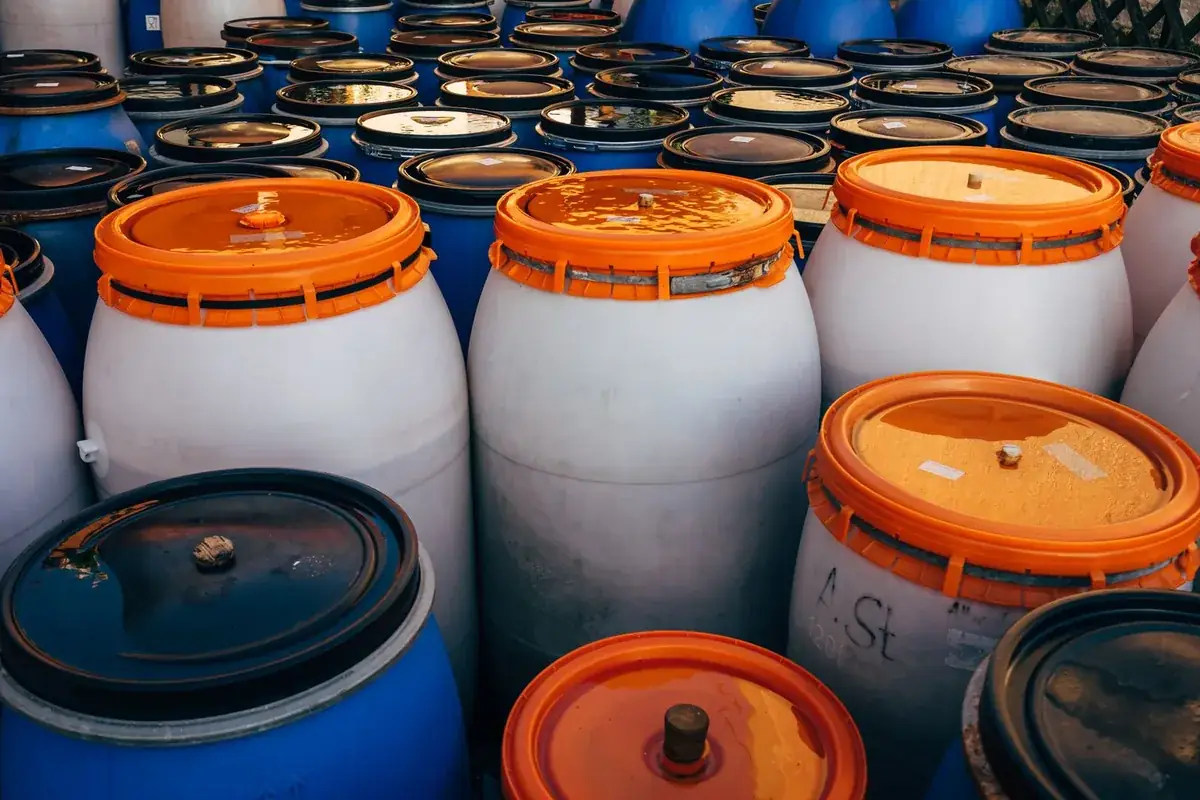
When items from drug use are left behind in a home or business, removal should be done with protective equipment. A cleanup team does the work so owners and families do not risk exposure.
If you are unsure whether your space in Toledo needs cleaning, you can talk with Toledo Biohazard Cleanup Help about it in Lucas County. The team helps sort out what is paraphernalia cleanup and what may call for more testing.
Vacant housing is about 11% of homes in Toledo. Empty buildings can hold hidden syringes and residue, and owners often check them before repairs or sales. If anyone is unresponsive or hurt, call 911. The nearest emergency room to Toledo is Promedica Toledo Hospital in Toledo, about 2 miles away.
What drug paraphernalia cleanup covers:
The team explains what it can handle and which parts, like testing a site where drugs were made, need a different plan.
Needles and other sharps are lifted and sealed before anything else is moved.
Items are lifted with tools into labeled containers. Soft materials that cannot be cleaned are removed and bagged.
The team removes the waste and shares what was done so the owner can keep it on file.
The cost of drug paraphernalia cleanup in Toledo, OH depends on the amount of material, how it is packed and how it is hauled.
Access and travel matter. A unit with stairs, locked areas or a long drive takes more time to serve.
| Type of job | Typical range |
|---|
Estimates only, not a quote. Sources: . Price drivers include amount of material, whether residue is present, surfaces affected, waste disposal. Call (877) 812-4220 to talk through the job.
Keep them out of affected rooms until a cleanup team has finished. Children and pets are closest to floors and furniture and are most at risk from residue. If a child or pet touches or swallows something, call Poison Control or a veterinarian.
Wash the area with soap and water and get medical care right away. Call 911 in an emergency. Poison Control can answer exposure questions. Tell the doctor what happened and where the needle was found, if you know.
The owner of the property usually pays at first. Lease terms and local law decide who is responsible in the end. A landlord, an attorney or a tenant rights group can say. Keep any record the cleanup team gives you, since a landlord or insurer may ask for it.
Vehicles can hold syringes, residue and odor in seats, carpets and vents. Ask whether the team cleans vehicles and how soft materials are treated. Crews use the same protective gear and sealed containers as in a building.
Police and the city do not usually clean the space afterward. The owner or the family books the cleanup once the scene is released. A cleanup team can work after the release and explain the steps. Ask the agency when the space is cleared.
Loose syringes should never go in household trash, because they can stab sanitation workers. Other items may carry residue. A cleanup team seals and disposes of everything the safe way.
One call can start the cleanup of a room, a rental unit or a whole home.
Call (877) 812-4220